All Categories
Featured

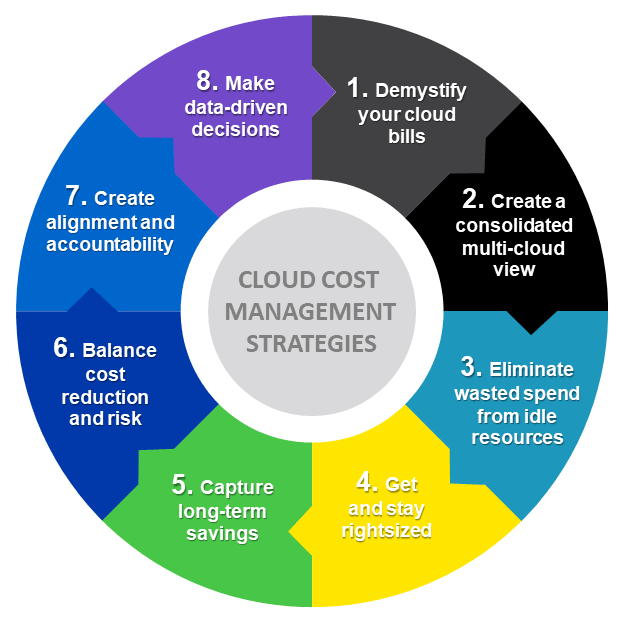
Key Efficiency Metrics for Modern IT Assets
Table of Contents
Guaranteeing available, cost-efficient, and sustainable infrastructure services is important in eradicating poverty and structure shared success. Various governments encounter difficulties in providing these services to their people, mainly due to governance problems rather than monetary restrictions.
The framework supplies a summary of the governance that leads to quality facilities and provides resources and methodologies for conducting such an assessment. The goal is to supply actionable recommendations that lead to concrete policy changes. 3 brand-new InfraGov Assessments have actually been completed for Kyrgyz Republic, Tajikistan, and Uzbekistan. Broadly speaking, the InfraGov structure examines 3 significant locations of facilities governance: The very first location relates to the lifecycle of an infrastructure task, focusing on choice, design, procurement, and implementation of financial investment tasks.
The third area concerns the methods which infrastructure services are provided to consumers. It includes market structure and competitors, the regulative framework for resolving natural monopoly activities, and business governance and governance arrangements around State Owned Enterprises. The importance of these broad areas and measurements might vary depending on the particular governance plans in place for various sectors in different countries.
Attaining Cost Excellence in Modern Systems
They are not intended to recommend particular systems or institutions; rather they highlight habits most likely to provide great facilities outcomes, acknowledging that there are many various ways to stimulate these behaviors. The goal is to supply problem-driven actionable recommendations that lead to concrete policy changes. Last Upgraded: Dec 07, 2023.
When an energy grid varies, a water authority loses pressure, or a healthcare facility network goes dark, the effect does not stop at the firewall program. It bypasses the IT department and heads straight into the living rooms, kitchens, and emergency situation wards of our neighborhoods. In Crucial Facilities (CI), a digital failure is never just an information point; it's a public safety occasion.
Leveraging IT Metrics for Operational EfficiencyIf your governance model was built for a world where danger was separated and internal, you aren't simply behind, you're exposed. Air-gapped systems were when thought about the gold standard. Today, that's largely a myth. Three structural shifts have turned once-isolated Operational Technology (OT) into a community-wide exposure: The Merging Trap: Tradition systems were bolted onto contemporary networks for performance, but they weren't designed to hold up against persistent dangers.
Top Benefits of Centralized Resource GovernanceBenefits of Automated Cost Governance
Interfering with services is far more destructive, noticeable, and brand-impacting. Structures like NERC CIP, NIST CSF, and ISA/IEC 62443 remain essential.
This isn't about more paperwork; it has to do with real-time exposure. As AI-driven attack tools make the threat landscape more unstable, the space between being certified and being resilient is expanding. Real leadership suggests knowing your danger posture at 2:00 PM on a Tuesday, not just during a yearly evaluation. In a crisis, clearness is the most important product.
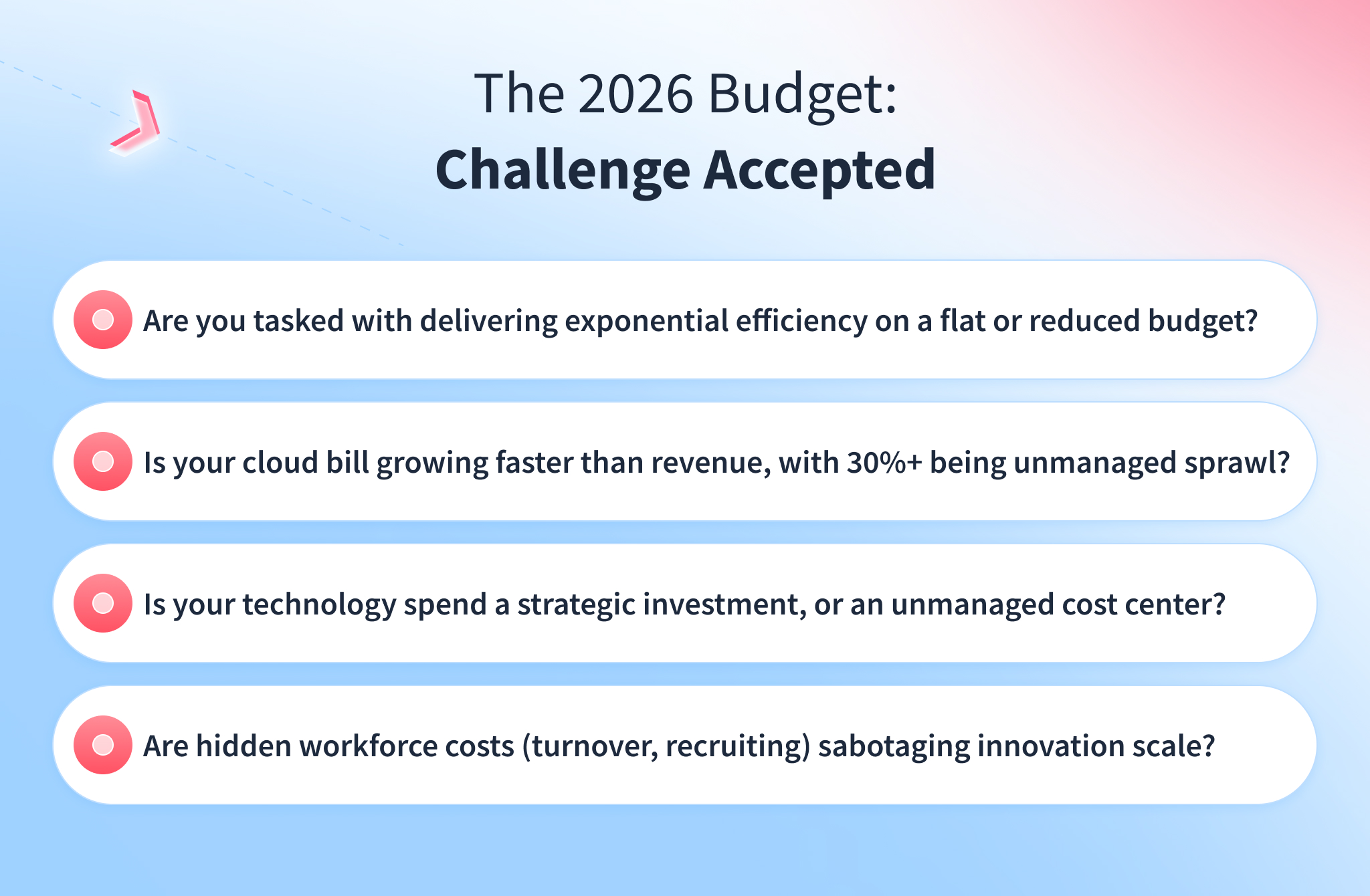
You can not protect what you can not see. Developing a durable environment requires a deep dive into Cyber-Physical Systems (CPS). This means keeping a live, automatic asset stock and using monitoring tool's function constructed for industrial protocols, not simply repurposed IT software application. When your operations, legal, and security groups share the same source of truth, you move from responding to managing.
Advantages of Enterprise Cost Optimization
If your vendor's governance consists of a one-time questionnaire signed 3 years back, you have a blind area the size of your entire network. Genuine durability requires a living understanding of who has gain access to, what opportunities they hold, and how their security moves effect your stability. Your environment isn't adjacent to your risk; it is a basic part of it.
They didn't await a breach to construct a cross-functional response group. They developed healing muscle memory through consistent, iterative practice. We are entering a period specified by systemic risk and increasing regulatory pressure for openness. The leaders who will thrive aren't necessarily the ones with the biggest spending plans, however the ones who recognize that digital governance is now a pillar of public trust.
By syncing security data with functional uptime requirements, companies can change risk from a concealed liability into a managed asset. Usage continuous governance to proactively manage vendor vulnerabilities and develop the organizational muscle memory required to deal with emerging threats head-on.

Latest Posts
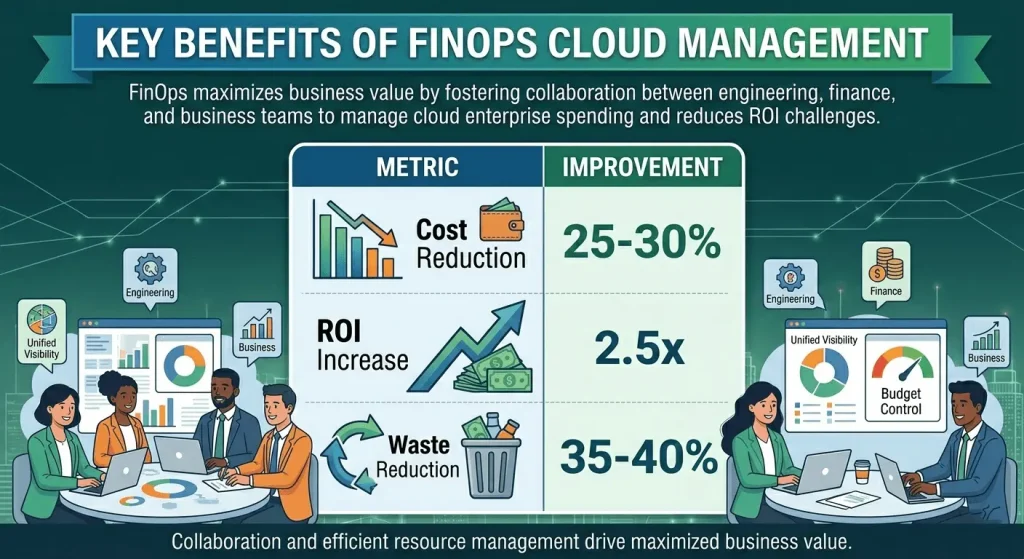
Is the IT Budget Prepared for 2026?
Evaluating Various Cost Management Models
Proven Methods for Optimizing Infrastructure Spend in 2026